Short-Term Rentals vs. Long-Term Rentals in Ghana: A Comprehensive Comparison
Emmanuel Preko Boamah
March 4, 2026 • 3 min read
Short-Term Rentals vs. Long-Term Rentals in Ghana: A Comprehensive Comparison
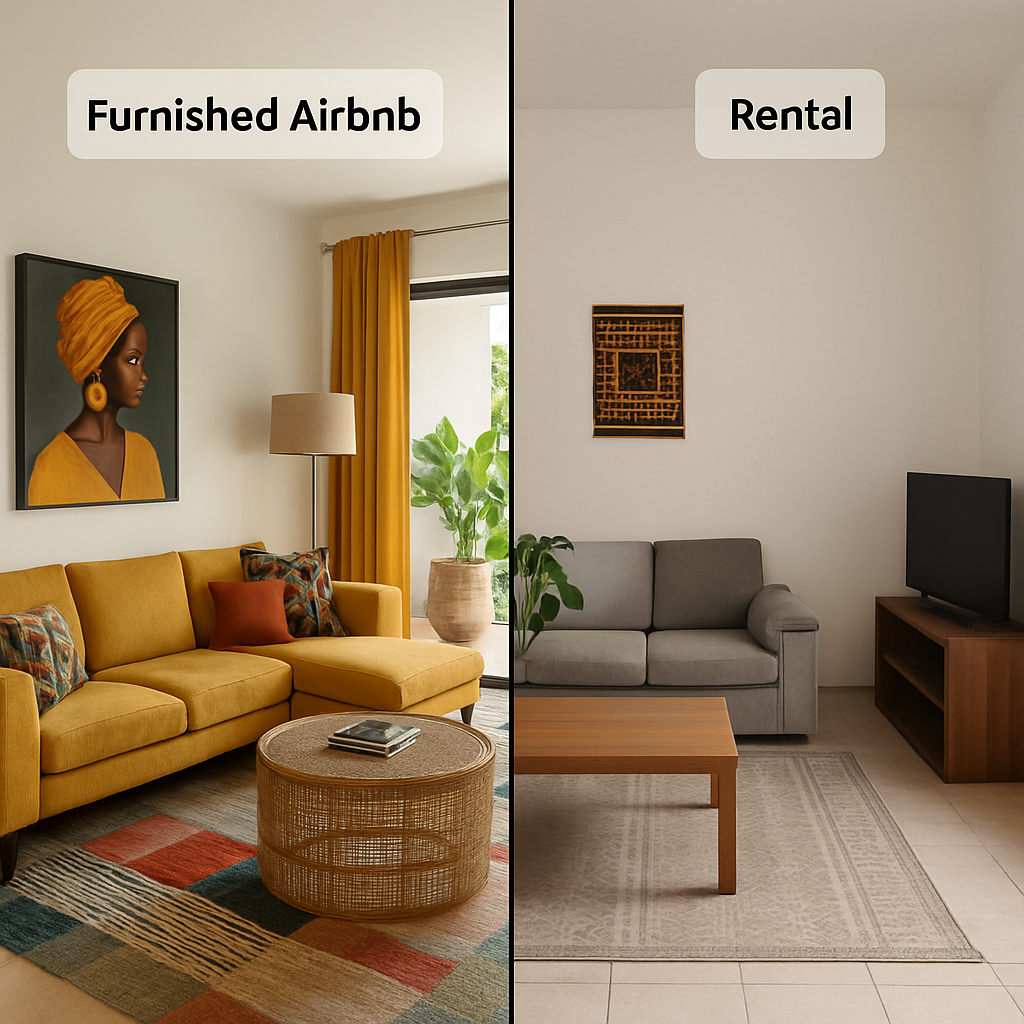
As the real estate market in Ghana continues to evolve, both short-term rentals (like Airbnb) and long-term rentals are becoming popular options for landlords and tenants alike. This article delves into the profitability for landlords, affordability for tenants, legal considerations, and market trends in major cities like Accra and Kumasi.
Profitability for Landlords
When evaluating profitability, short-term rentals often provide a higher return on investment compared to long-term rentals. In popular tourist destinations like Accra, landlords can charge a premium for nightly stays, especially during peak seasons. For instance, properties near the beach or cultural landmarks see higher occupancy rates and can generate significant revenue.
On the other hand, long-term rentals, while generally offering lower monthly returns, provide consistent income and lower vacancy rates. The steady cash flow from long-term tenants can be appealing for property owners looking for financial stability. Moreover, managing a long-term rental typically requires less hands-on involvement compared to the constant turnover in short-term rentals.
Affordability for Tenants
From a tenant's perspective, affordability can greatly differ between short-term and long-term rentals. Short-term rentals are often more expensive per night, making them less viable for those seeking affordable housing options. However, they offer flexibility for travelers and those in need of temporary accommodations.
In contrast, long-term rentals generally provide a more budget-friendly option for residents. Monthly rental prices in cities like Kumasi can vary significantly, yet they tend to be more manageable for individuals and families looking to settle down. This affordability makes long-term rentals a preferred choice for many locals and expatriates.
Legal Considerations
Operating short-term rentals in Ghana comes with its own set of legal considerations. Local regulations may dictate zoning laws, safety requirements, and licensing for short-term rental properties. Landlords must ensure compliance with these regulations to avoid fines or legal issues.
Long-term rentals also have legal frameworks, but they are generally more straightforward. Landlords and tenants can enter lease agreements that outline terms, deposit requirements, and eviction processes. Understanding tenant rights and responsibilities is crucial for landlords to maintain a harmonious renting experience.
Market Trends in Accra and Kumasi
The rental market in Accra is booming, with a significant rise in demand for both short-term and long-term rentals. The influx of tourists and expatriates has led to a surge in short-term rental listings, particularly in areas like Osu and Labadi. These neighborhoods cater to visitors seeking a taste of the vibrant culture and nightlife.
Kumasi, known for its rich history and cultural significance, is also witnessing growth in the rental market. While the short-term rental scene is not as developed as in Accra, there is a growing interest among landlords to explore this avenue. Long-term rentals remain strong, driven by local demand and the need for affordable housing.
Conclusion
Ultimately, the choice between short-term and long-term rentals in Ghana depends on various factors, including financial goals, tenant needs, and market conditions. Landlords must weigh the profitability and management involved in each option, while tenants should consider their budget and living arrangements. As the real estate landscape continues to change, staying informed on these aspects will be crucial for both parties.