Ghana's Proposed New Rent Bill: A Game Changer for Landlords and Tenants
Emmanuel Preko Boamah
March 4, 2026 • 3 min read
Ghana's Proposed New Rent Bill: A Game Changer for Landlords and Tenants
In a bid to regulate the rental housing market, the Ghanaian government has unveiled a proposed new rent bill that aims to address long-standing issues between landlords and tenants. This legislative initiative has sparked considerable debate, as it promises to introduce significant changes to advance rent payments, redefine landlord-tenant relationships, and enhance enforcement mechanisms.
Key Changes Introduced by the New Rent Bill
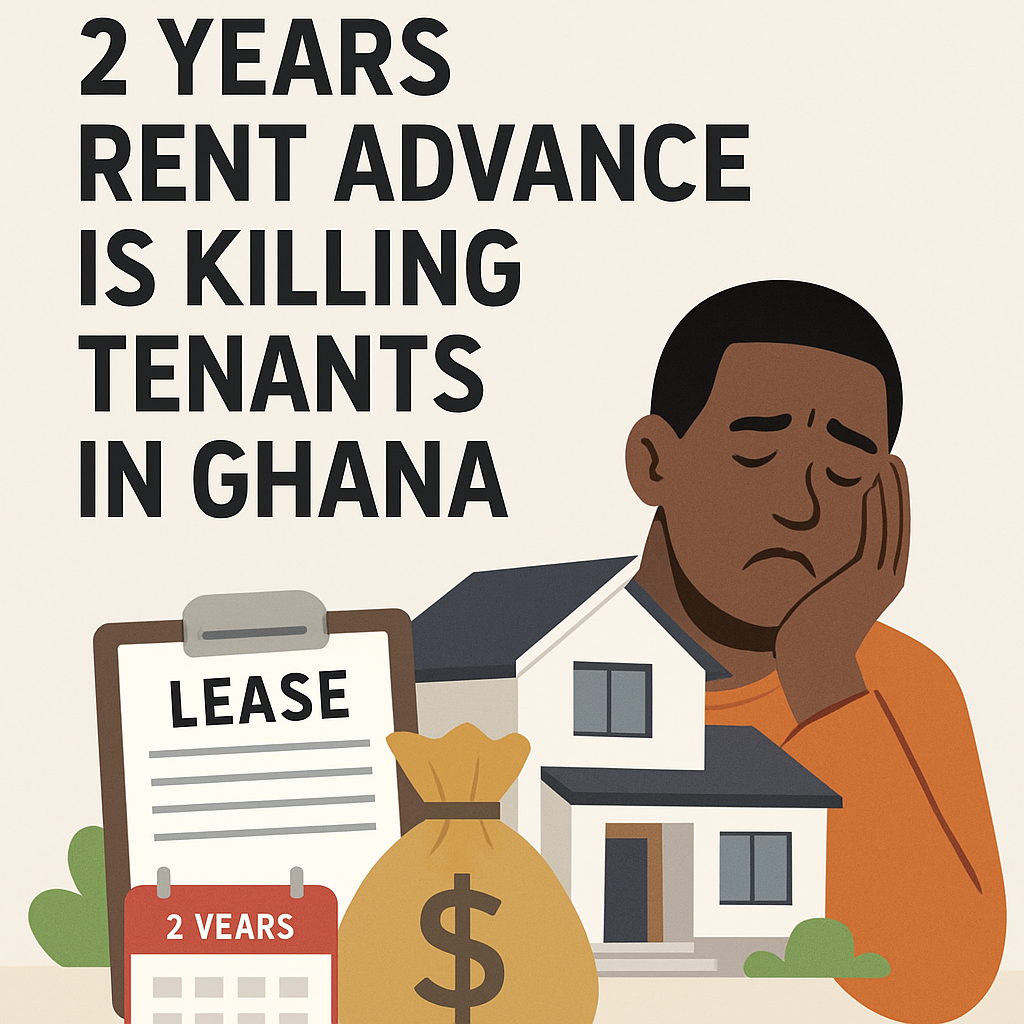
The proposed bill introduces a number of reforms aimed at creating a more balanced rental market. One of the most notable changes is the restriction on advance rent payments. Currently, many landlords require tenants to pay up to two years' rent in advance, which has been a significant barrier for many prospective renters. Under the new bill, landlords will only be allowed to request a maximum of six months' rent in advance, making it easier for tenants to secure housing without facing exorbitant upfront costs.
Impact on Landlord-Tenant Relationships
This proposed bill also seeks to redefine the dynamics of landlord-tenant relationships. By limiting advance payments, the government hopes to foster a more equitable environment where tenants feel empowered to negotiate and advocate for their rights. Experts believe that this shift could lead to improved communication between landlords and tenants, as both parties will have clearer expectations regarding rental agreements and responsibilities.
Strengthening Enforcement Mechanisms
Another critical aspect of the new bill is the introduction of stronger enforcement mechanisms. The legislation proposes the establishment of a rent control board that will oversee rental agreements and handle disputes. This board will have the authority to mediate conflicts and impose penalties on landlords who violate the new regulations. Such measures are designed to provide tenants with a sense of security and recourse in the event of unfair practices.
Expert Commentary
Real estate experts have weighed in on the implications of the proposed new rent bill. Dr. Kofi Mensah, a housing policy analyst, stated, "This bill is a significant step towards creating a fairer rental market in Ghana. By capping advance rent payments and instituting a regulatory body, we are moving towards a more transparent system that protects the rights of all stakeholders."
Public Reactions
The public response to the proposed bill has been mixed. While many tenants have welcomed the changes, viewing them as a long-overdue reform, some landlords have expressed concerns about the potential impact on their income and the feasibility of implementing the new regulations. Tenant advocacy groups have rallied in support of the bill, emphasizing the importance of protecting vulnerable renters from exploitative practices.
Conclusion
As Ghana stands on the brink of a significant transformation in its rental housing market, the proposed new rent bill represents a bold initiative to address critical issues affecting both landlords and tenants. With its emphasis on limiting advance payments, enhancing landlord-tenant relationships, and establishing enforcement mechanisms, this legislation could pave the way for a more equitable housing landscape in the country. As discussions continue, the outcome of this bill will undoubtedly shape the future of rental housing in Ghana.