The Rising Cost of Rent in Ghana: Causes, Impacts, and Solutions
Emmanuel Preko Boamah
March 5, 2026 • 3 min read
The Rising Cost of Rent in Ghana: Causes, Impacts, and Solutions
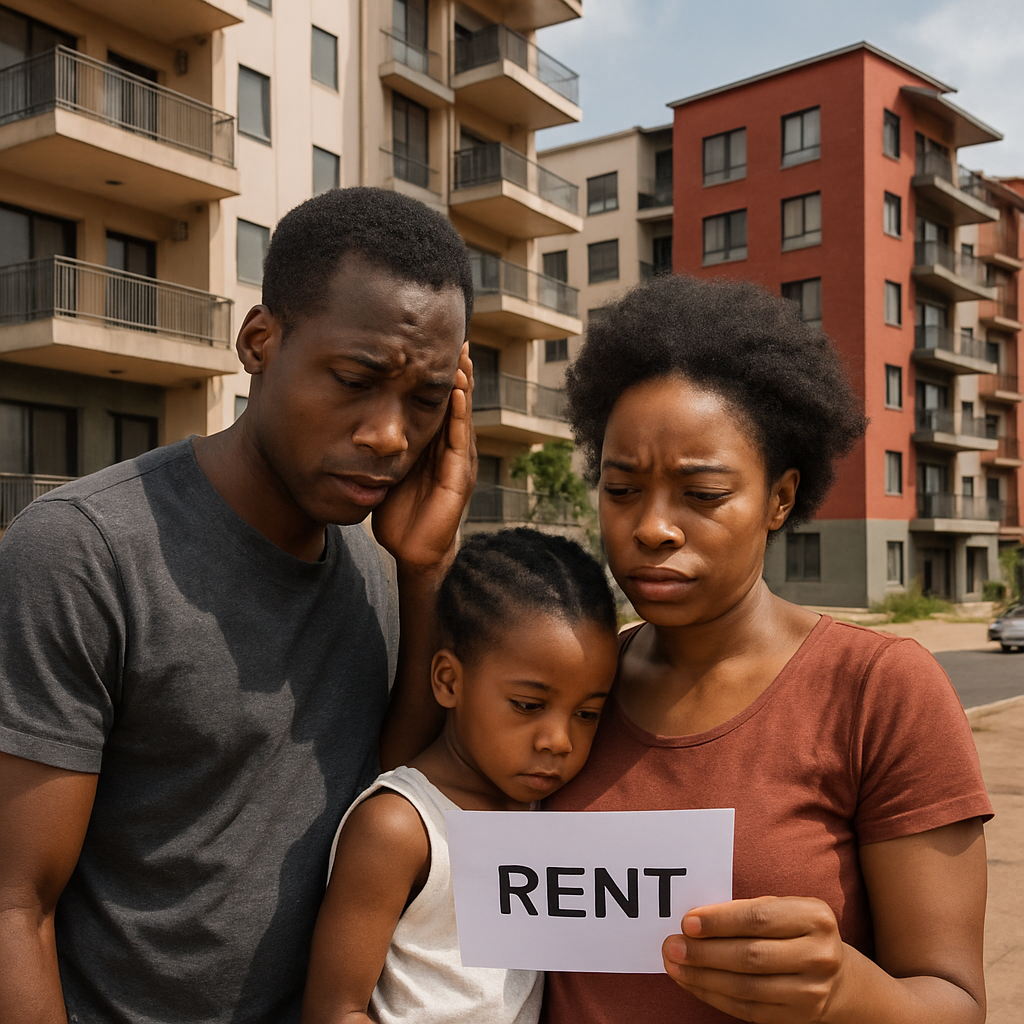
In recent years, the cost of rent in Ghana has seen a significant upward trend, especially in urban centers like Accra, Kumasi, and Sunyani. This increase has raised concerns among tenants, students, and young professionals, leading to a pressing need for understanding the underlying causes and exploring viable solutions.
Causes of Rising Rent
The surge in rental prices can be attributed to several interrelated factors:
1. Inflation
One of the primary drivers of rising rent is inflation. As the cost of living increases, landlords often raise rent to keep up with the rising prices of goods and services. This inflationary pressure affects not only the housing market but also the overall economy, making it harder for individuals to afford basic necessities.
2. Housing Shortages
Ghana is experiencing a severe housing shortage, particularly in urban areas. The demand for housing far exceeds supply, leading to increased competition for available rental properties. This scarcity allows landlords to raise prices, exacerbating the affordability crisis.
3. Urban Migration
Urban migration is another significant factor contributing to rising rents. People are flocking to cities like Accra and Kumasi in search of better job opportunities and living conditions. This influx of residents drives demand for housing, further pushing up rental costs.
4. Landlord Practices
Some landlords engage in practices that can inflate rental prices. For instance, many landlords may charge exorbitant fees for amenities or require higher deposits, which can deter potential tenants and lead to a less competitive rental market.
Impact on Tenants, Students, and Young Professionals
The rising cost of rent has far-reaching consequences for various demographics:
Tenants
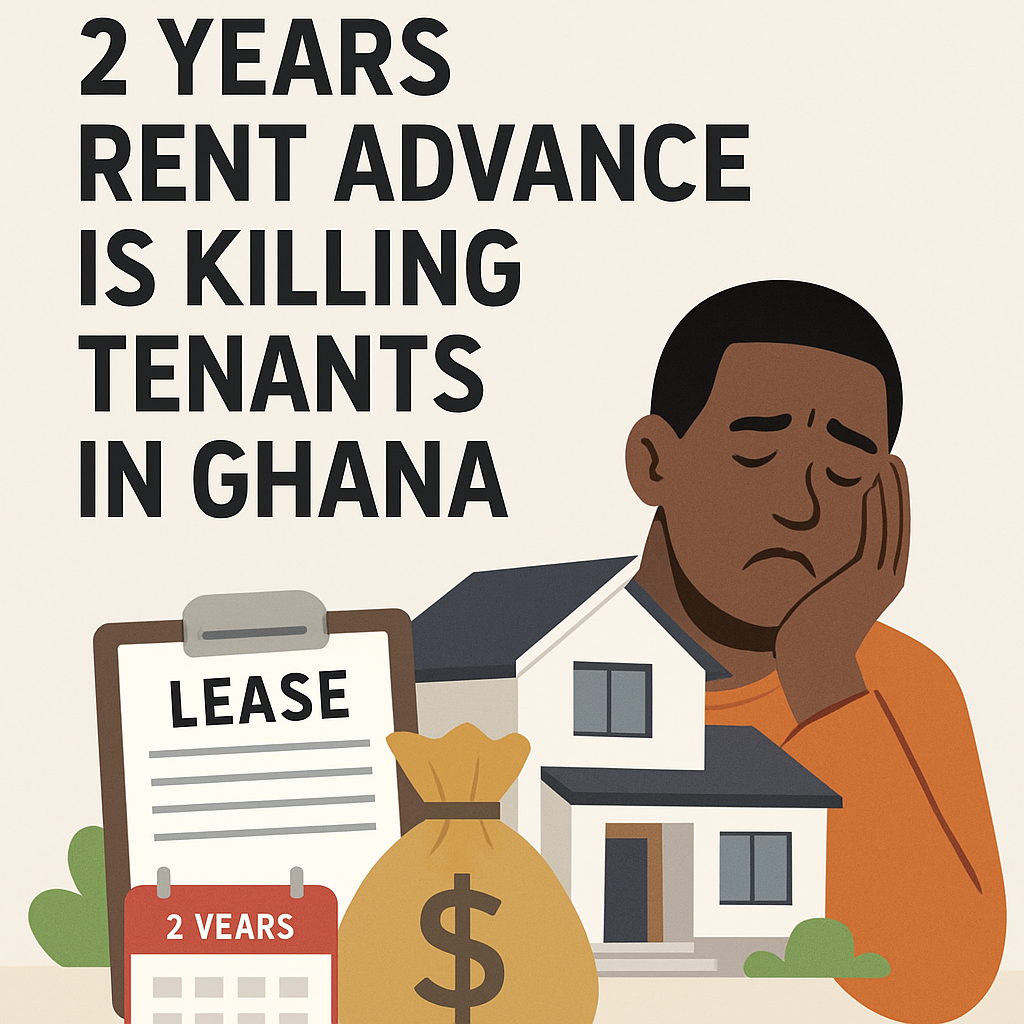
For many tenants, the increase in rent can lead to financial strain, forcing them to cut back on other essential expenses or even relocate to less desirable areas. This can negatively affect their quality of life and overall well-being.
Students
Students, particularly those attending universities in urban areas, are disproportionately affected by rising rents. Many struggle to find affordable housing, leading to increased stress and potential academic challenges. The financial burden of high rents can also lead to higher student debt.
Young Professionals
Young professionals entering the job market may find it challenging to secure affordable housing within proximity to their workplaces. This can limit their employment opportunities and hinder their ability to establish financial independence.
Possible Solutions
To address the growing crisis of rising rents, several solutions can be considered:
1. Government Policies
The government can implement policies aimed at increasing the supply of affordable housing. This includes incentivizing developers to construct low-cost housing units and streamlining the approval process for new building projects.
2. Rent Control
Introducing rent control measures can help stabilize rental prices and protect tenants from excessive increases. These regulations can ensure that rent increases are predictable and fair, providing tenants with some degree of financial security.
3. Affordable Housing Initiatives
Investing in affordable housing initiatives is crucial. Public-private partnerships can be established to develop housing projects that cater specifically to low- and middle-income earners. This would help alleviate the housing shortage and provide more options for tenants.
Conclusion
The rising cost of rent in Ghana is a multifaceted issue that requires urgent attention. By understanding the causes and impacts, and by considering potential solutions, stakeholders can work together to create a more sustainable and affordable housing market for all Ghanaians.